
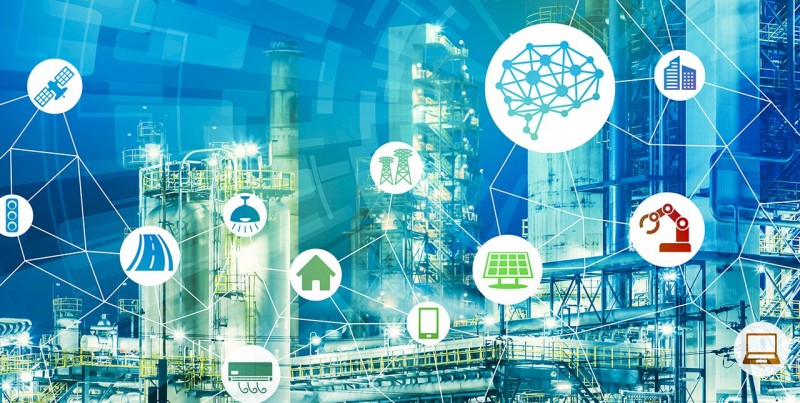
We promote cross-sector initiatives that enhance economic connectivity on a large scale and generate sustainable long-term value for businesses. TDICI as well deploys electronic management platforms in sectors such as taxation, customs, and maritime transport, facilitating process automation and varied distribution channels.
Along with that, our digital transformation strategy creates an intelligent data infrastructure, enabling enterprises to attain more scientific, efficient, and data-driven operations via fully digitalised workflows.
2. Semiconductor Technology
Semiconductors constitute the backbone of the global electronics and telecommunications sectors. Progress in this domain improves performance while maximising energy efficiency in contemporary technological devices. In response to global supply chain realignment and the rising demand for advanced integrated circuits, Vietnam is expediting research, investment, and industrial development to seize strategic opportunities in the semiconductor value chain.
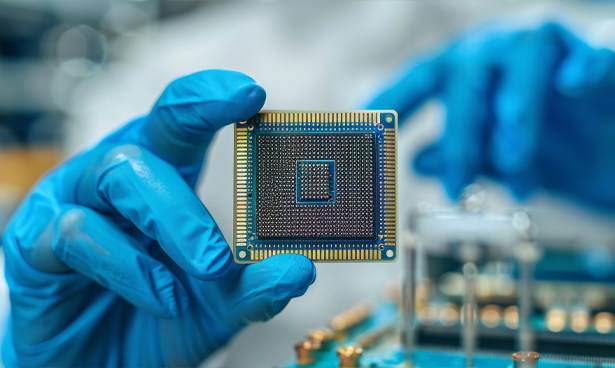
Semiconductor Talent Cultivation: To mitigate the labour shortage, TDICI links a consortium of specialists from international research institutions, universities, and global technology firms to facilitate the training of highly specialised engineers. We concentrate on enhancing the competencies of Vietnamese engineers in chip and integrated circuit design, establishing conducive conditions to entice international corporations to invest in long-term manufacturing in Vietnam.
3. IoT Solutions: Infrastructure Management and Emissions Reduction
The Internet of Things (IoT) denotes a network of interconnected devices, sensors, and systems that utilise the Internet to autonomously gather and exchange real-time data.
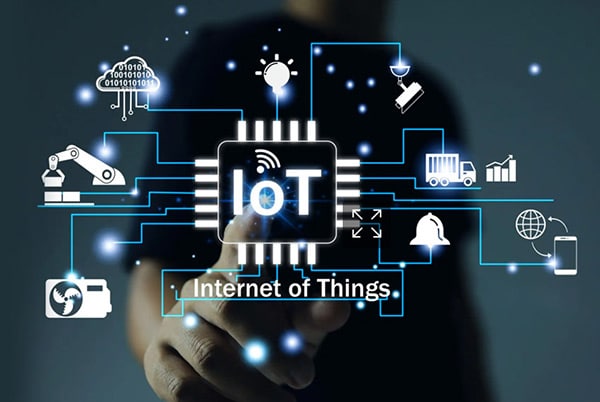
Instead of depending on traditional or experience-based management methods, TDICI utilises IoT as a fundamental digital instrument to enhance operational monitoring, allowing enterprises to manage resources with increased accuracy and facilitate a systematic, data-driven approach towards achieving Net Zero goals, particularly in:
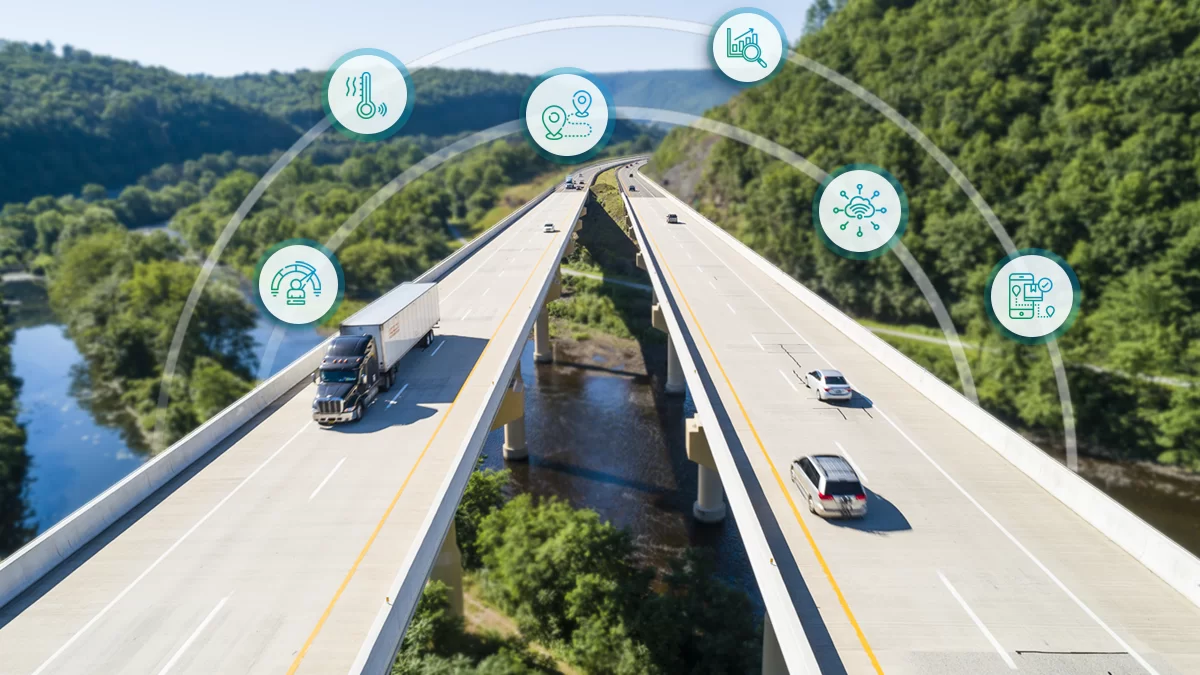
- Automated Energy and Emissions Monitoring: Implement IoT sensor systems to accurately measure electricity, water usage, and carbon emission metrics (CO2) across each production line. Facilitate the automatic consolidation of data for greenhouse gas inventory reporting, allowing enterprises to fulfil carbon tax compliance obligations, including frameworks like the European Union’s Carbon Border Adjustment Mechanism (CBAM), without dependence on labour-intensive manual measurement.
- Operational Cost Optimisation for Smart Industrial Parks: Employ real-time data analysis to detect leakage points, resource inefficiencies, and suboptimal equipment performance at an early stage. Prompt intervention mitigates energy loss, thereby directly decreasing production costs and infrastructure maintenance expenditures.
- Environmental Risk Management: Establish ongoing tracking systems for wastewater and air emissions to guarantee that industrial parks adhere to legal compliance standards. Real-time alerts facilitate the prevention of environmental incidents, safeguard corporate reputation, and avert substantial administrative penalties for investors.
TDICI strives to transform IoT-generated data into strategic management decisions, enabling enterprises to optimise costs while achieving green certifications that reinforce their international competitive advantages