
Vietnamese consumers are gradually moving from mere awareness to concrete action in adopting a green lifestyle. This presents a major opportunity for businesses to develop a sustainable market.
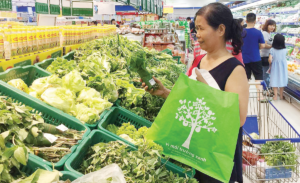
In recent years, the concept of “green consumption” has become increasingly familiar to the Vietnamese people. From limiting the use of plastic bags and straws to choosing bio-packaged goods, eco-friendly shopping trends are evolving into a new lifestyle.
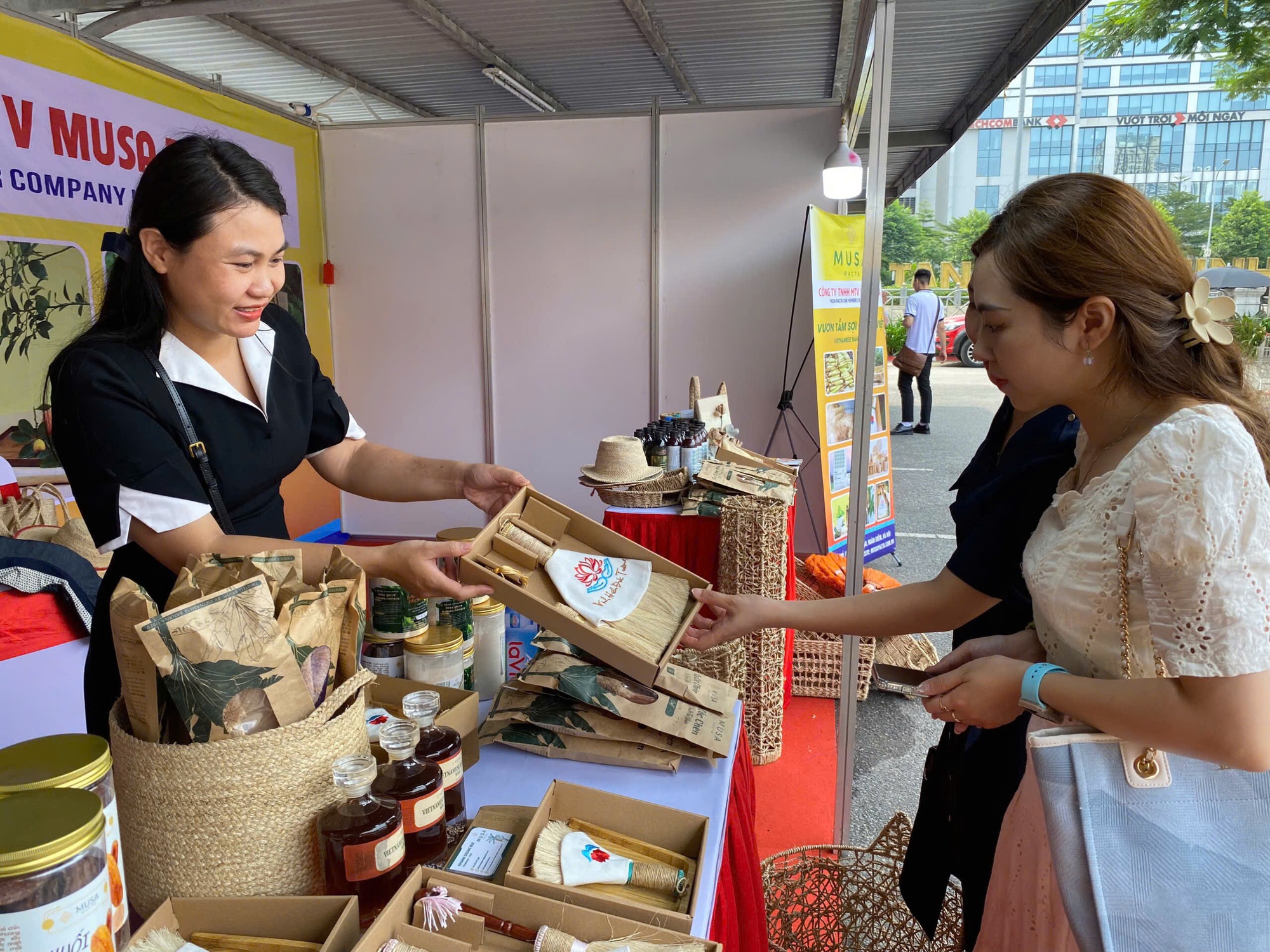
At the first Autumn Fair 2025, the green and innovative product display area attracted thousands of visitors. Many consumers stated that they are willing to pay a premium for products that are environmentally friendly and provide transparent information. “I feel more at ease knowing that the products I purchase are biodegradable and have a minimal environmental impact,” said Ms. Nguyen Thu Huong (Ba Dinh, Hanoi).

“Green products are increasingly becoming the top choice for consumers”
According to a survey by NielsenIQ and the Vietnam Business Council for Sustainable Development (VBCSD), 72% of Vietnamese consumers are willing to pay more for green products. However, only 12–18% of residents in major cities like Hanoi and Ho Chi Minh City maintain this habit daily. This figure reflects a reality: a significant gap still exists between awareness and sustainable consumption behavior due to price barriers and a lack of transparency regarding green standards.
Nevertheless, experts suggest that responsible consumption trends are spreading rapidly, especially among the youth, who view choosing eco-friendly products as a way to express their identity and social responsibility.
According to the Ministry of Industry and Trade, the demand for eco-friendly products in Vietnam grew by an average of 15% per year during the 2021-2023 period. In modern retail systems, sales of items labeled “green” or “sustainable” increased by 40-60% during major communication campaigns.
Key product groups include organic food, bio-based packaging, plastic alternatives, and recycled household goods. Notably, the organic food market reached a scale of $100 million in 2023, a 20% increase compared to three years prior.
Vietnamese enterprises are also rapidly “greening” their supply chains. At the 1st Autumn Fair 2025, many biodegradable packaging manufacturers recorded thousands of visitors, including major supermarket chains seeking long-term partnerships. “Not only consumers but also retailers are searching for green packaging solutions. This is an opportunity for us to scale up and phase out single-use plastics,” shared an entrepreneur in the bio-packaging sector.
Reality shows that the green economy is no longer just a slogan but is becoming an inevitable development path. As consumers become more knowledgeable and environmentally conscious, businesses that quickly adapt to this trend will gain a long-term competitive advantage.
Despite the bright prospects, the green product market in Vietnam still faces numerous challenges. High input costs result in significant retail price disparities compared to traditional goods; “green” certification standards are not yet unified; and “greenwashing”—where products falsely claim to be eco-friendly—is undermining consumer trust.
According to experts, for green consumption to truly become mainstream, businesses need to standardize production processes, ensure transparency in environmental information, and commit to social responsibility. Simultaneously, regulatory authorities must promptly issue a national “green label” criteria set, support businesses in accessing sustainable raw materials, provide green credit incentives, and boost communication efforts to raise public awareness.
The shift toward green consumption also opens innovation opportunities for young startups in renewable energy, sustainable fashion, and organic products. Many “green” business models have proven effective in Vietnam, not only helping to protect the environment but also creating economic value and sustainable jobs.
Experts forecast that in the next five years, the eco-friendly product market in Vietnam could achieve double-digit annual growth, particularly in FMCG (fast-moving consumer goods), food, and fashion.
At its core, green consumption is not just a shopping behavior but a lifestyle oriented toward sustainable development, where every consumer choice contributes to the collective goal of protecting the planet. When the State, businesses, and citizens join hands, the green economy will become the pillar of the future economy, helping Vietnam grow in a sustainable, inclusive, and humane direction.




Customer Reviews
Thanks for explaining the difference between the three ! I was not sure and am wary of ‘greenwashing’ , as you point out. Good to know the choices be reminded that it is important to check out the details.
Nemo enim ipsam voluptatem quia voluptas sit aspernatur aut odit aut fugitI agree that the term ‘regenerative’ needs to be much more clearly defined. A friend spoke to a farmer who purported to farm regeneratively and was enthusiastic about the use of glyphosate for keeping weeds down for in his no-plough system . What a gift to Bayer who
Thanks for your article. In my opinion the most overlooked element of organic cereal production is the biodiversity and abundance it delivers. For every acre or arable cropping there will be almost an acre of a legume-rich ley that us there to build fertility for the subsequent arable crops.