
With over 400 national standards spanning manufacturing, energy, agriculture, and green urban development, green standards are becoming pivotal tools in helping Vietnam promote a circular economy, reduce emissions, and integrate internationally. These standards unlock sustainable development opportunities for both businesses and the community.
Currently, Vietnam possesses more than 14,200 national standards, approximately 400 of which are directly related to green transformation, green growth, and sustainable development. These are considered fundamental technical tools that guide the actions of enterprises, regulatory bodies, and citizens. Furthermore, they serve as a bridge to realize national strategic goals regarding the green economy, circular economy, and the reduction of greenhouse gas emissions.
Recent policy directions from the Party and State—such as Resolution No. 24-NQ/TW on climate change response, the National Green Growth Strategy for 2021-2030 with a vision to 2050, and the Net Zero commitment at COP26—have established the legal framework and developmental orientation for green transformation. In this context, standards have emerged as essential instruments for implementing these mandates, ranging from policy planning and production to the commercialization of green products and services.

“Standards are essential instruments for emission management, resource efficiency, and environmental protection in business operations.”
The national standards system supporting green transformation currently covers more than 10 key sectors, including environmental management, greenhouse gases, renewable energy, energy management, sustainable agriculture, smart cities, green transportation, and new fuels. Many of these standards are harmonized with international standards such as ISO, IEC, and ITU, facilitating Vietnamese enterprises’ integration into global markets and access to green financing.
Green standards do not only quantify, assess, and manage environmental impacts but also drive technological innovation, cleaner production, and improved resource efficiency, while promoting energy conservation and emission reduction. This system further establishes a foundation for certification mechanisms, eco-labeling, carbon credits, and ESG (Environmental, Social, and Governance) assessments, contributing to the formation of a transparent and sustainable green market.
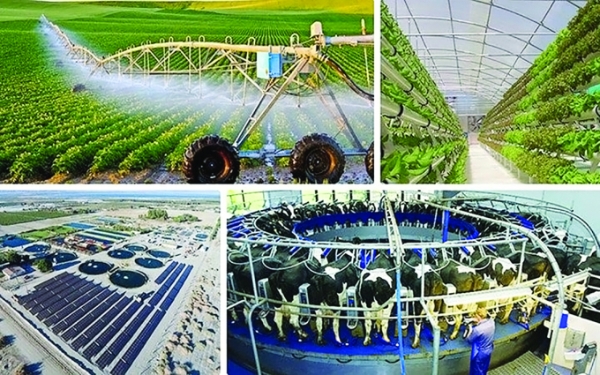
In the energy sector, Vietnam has established 34 national standards for wind power, 40 for solar power, 18 for storage batteries, and 7 for fuel cells, alongside the ISO 50001 energy efficiency management system for industrial, commercial, and household equipment. In the agrifood sector, standards for organic farming, VietGAP, circular agriculture, and ecological farming enhance product quality, ensure traceability, guarantee food safety, and increase export value.
Furthermore, national standards regarding recycling, labeling, and green packaging design contribute to waste reduction, increased recycling rates, and the closing of product lifecycles, thereby fostering a circular economy. According to the Ministry of Science and Technology, the green standards system is becoming the cornerstone for institutionalizing green transformation, expanding markets, and enhancing both corporate capacity and community awareness.
Despite these achievements, gaps remain in the standardization of emerging fields such as green fuels, hydrogen, smart cities, and circular technologies. Vietnam has developed plans to advance internationally harmonized standards, creating a legal framework for green energy development and hydrogen infrastructure, aiming toward the Net Zero goal and a sustainable economy in the coming period.



Customer Reviews
Thanks for explaining the difference between the three ! I was not sure and am wary of ‘greenwashing’ , as you point out. Good to know the choices be reminded that it is important to check out the details.
Nemo enim ipsam voluptatem quia voluptas sit aspernatur aut odit aut fugitI agree that the term ‘regenerative’ needs to be much more clearly defined. A friend spoke to a farmer who purported to farm regeneratively and was enthusiastic about the use of glyphosate for keeping weeds down for in his no-plough system . What a gift to Bayer who
Thanks for your article. In my opinion the most overlooked element of organic cereal production is the biodiversity and abundance it delivers. For every acre or arable cropping there will be almost an acre of a legume-rich ley that us there to build fertility for the subsequent arable crops.